
Innovative and immersive 3D design tools have revolutionized the way creators, designers, and engineers approach their work. What makes these tools so powerful is their ability to bring concepts to life in a three-dimensional space, allowing users to manipulate and view their designs from every angle and detail. This level of interactivity opens up a world of creative potential that was previously unimaginable, making the design process faster, more intuitive, and infinitely more dynamic. One of the most notable aspects of modern 3D design tools is their ability to cater to a wide variety of industries. Architects can create detailed building models with realistic textures, lighting, and even simulate environmental conditions like weather or sunlight. This provides valuable insights during the planning stages, helping to prevent costly mistakes and ensure that projects are not only aesthetically appealing but also functional. In the entertainment industry, 3D design tools have been instrumental in bringing movie sets, characters, and effects to life. These tools allow animators to create complex characters and dynamic environments that would be impossible to produce with traditional methods, opening up new dimensions for storytelling.
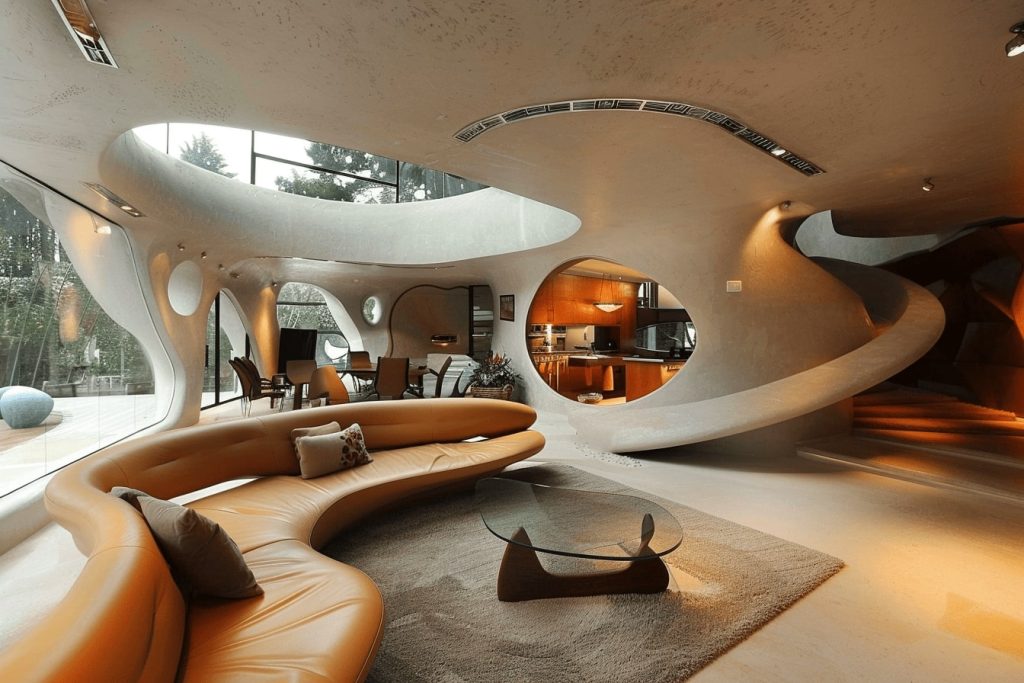
In addition to traditional industries, 3D design tools are also paving the way for groundbreaking advances in virtual reality VR and augmented reality AR. As VR and AR technologies continue to grow, the need for immersive 3D content has skyrocketed. Designers now have the ability to craft entire virtual worlds where users can interact with their surroundings in ways that blur the line between the real and virtual worlds. For instance, users can now step into a virtual store, walk around, and experience products before making a purchase, or explore an immersive 3D dizajn simulation of a museum exhibit from anywhere in the world. This level of immersion creates a more engaging and enriching experience for the user, whether it is for entertainment, education, or even retail. Moreover, the collaborative nature of modern 3D design tools cannot be understated. With cloud-based platforms and real-time editing features, designers can work together on the same project from different corners of the globe.
The continuous development of 3D design tools also means that they are becoming increasingly accessible to a broader range of users, including hobbyists, students, and smaller businesses. With user-friendly interfaces and a plethora of online resources, aspiring designers can now learn and experiment with 3D design without needing to invest in expensive software or equipment. This democratization of 3D design is leading to an explosion of innovation and fresh ideas across various sectors, empowering individuals to bring their visions to life in exciting new ways. In conclusion, the world of 3D design is evolving at a rapid pace, offering limitless possibilities for creativity, collaboration, and innovation. With the right tools, designers can explore new dimensions of their work, enhance the user experience, and push the boundaries of what is possible. Whether in architecture, entertainment, product design, or VR/AR, the future of design is undoubtedly 3D, and the potential for exploration is boundless.