
A purpose-built digital audio workstation DAW computer is specifically designed to meet the high-performance demands of music production and audio engineering. Unlike general-use computers, these systems are optimized for handling large audio files, low-latency recording, and real-time processing of effects and plugins. This focused design ensures a smoother workflow and greater reliability during critical sessions, allowing producers and engineers to focus on creativity rather than technical limitations. One of the most significant ways a specialized DAW computer enhances sound quality is through improved processing power. Audio production often requires multiple tracks running simultaneously, each with several effects, virtual instruments, and automation layers. A purpose-built system offers high-speed CPUs and optimized memory configurations to manage these tasks without dropouts or glitches, which can compromise the integrity of the audio and interrupt the creative process.
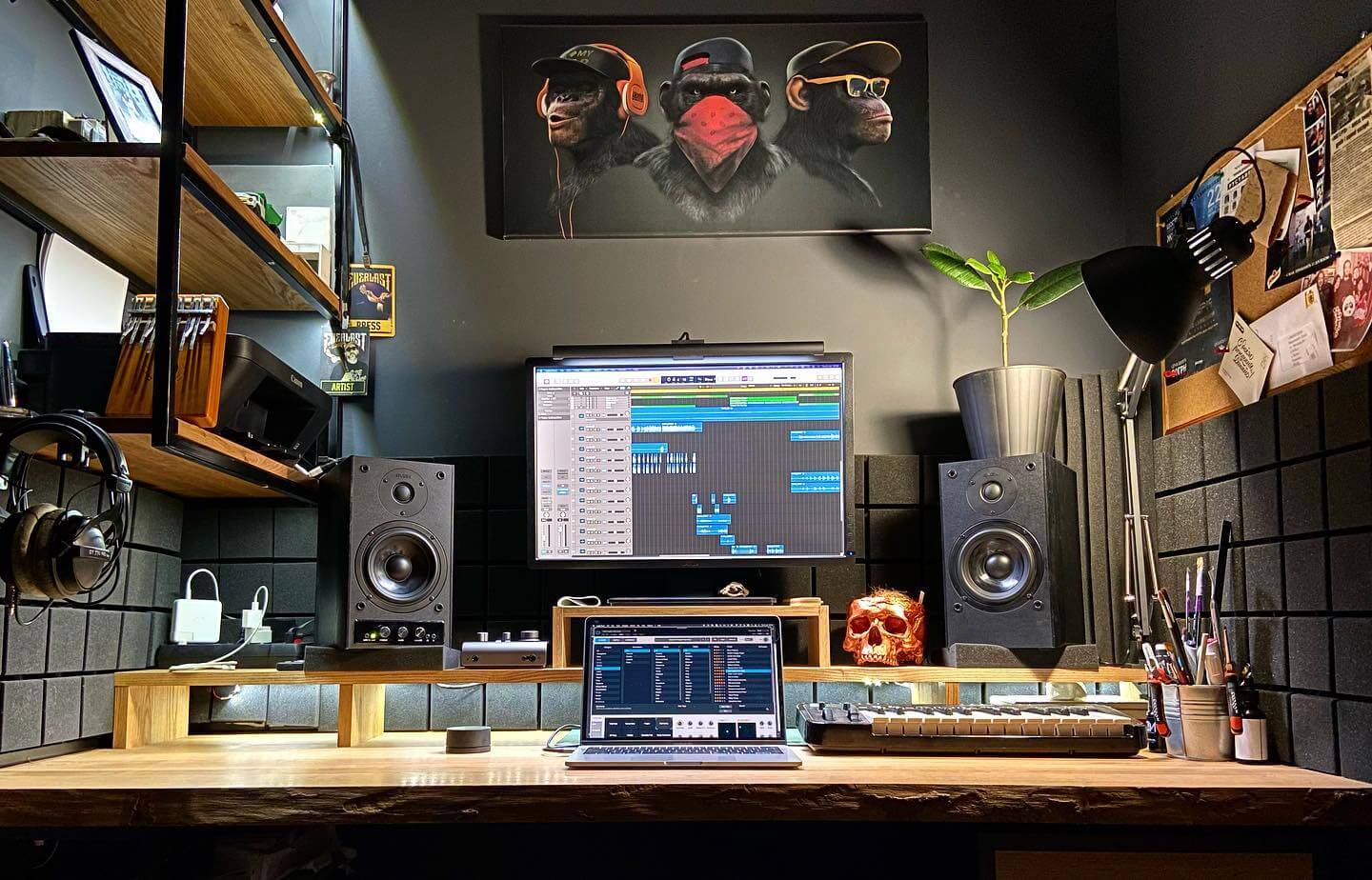
Storage speed and capacity also play an important role in audio quality. Purpose-built DAW computers typically include fast solid-state drives SSDs and dedicated storage configurations. Fast read/write speeds enable seamless loading and saving of large audio projects and sample libraries. This reduces lag and ensures that playback and recording occur without timing issues, preserving the fidelity and sync of each element in a production. Audio PC interface compatibility and driver stability are other key aspects that contribute to elevated sound quality. A well-configured DAW system supports professional-grade audio interfaces with low-latency drivers, offering pristine input and output signal quality. These systems are often fine-tuned for compatibility with industry-standard protocols and audio formats, ensuring that the hardware communicates with the software efficiently and accurately.
Noise reduction and system cooling are often overlooked but critical components of a DAW setup. Purpose-built audio computers are designed to operate quietly and efficiently, with fans and power supplies that minimize mechanical noise. This is crucial in studio environments where even low background noise can affect microphone recordings or distract during mixing and mastering. A quieter system maintains a cleaner, more controlled acoustic environment. system stability and reliability are vital when working on professional audio projects. Crashes and unexpected behavior can not only disrupt sessions but also risk the loss of important data. A computer tailored for audio production is built with tested components and optimized software environments to ensure consistent, dependable operation. This peace of mind allows artists and engineers to maintain focus and achieve higher levels of sonic precision in their work.